

George Brown Polytechnic is located on the traditional territory of the Mississaugas of the Credit First Nation and other Indigenous peoples who have lived here over time. We are grateful to share this land as treaty people who learn, work and live in the community with each other.
Honours Bachelor of Behaviour Analysis
(S302)
Program Details
- Program Code: S302
- Credential: Honours Bachelor's Degree
- Duration: 4 years (8 semesters) + 14-Week Field Experience Term (unpaid)
- Method of Study: Full-time
- Starting Months: September
- Domestic Tuition: $7,671.00 * †
- International Tuition: $22,439.00 ** †
Program Availability
| Semester | Domestic | International |
|---|---|---|
| Fall 2027 | Open | Open |
| Winter 2028 | Not Available | Not Available |
| Spring 2028 | Not Available | Not Available |
- Work-Integrated Learning:
Seven (7) week unpaid block placement begins in semester 4 and semester 6, and fourteen (14) week unpaid block placement begins in the fall term of student’s final year in the degree.
- PGWP Eligible: Yes
- CIP Code: 42.2814
- Please note that field of study/CIP code is only one component of PGWP eligibility. Please consult the official IRCC PGWP eligibility webpage (opens in a new tab) for the most current and complete information.
Program Description
Leadership Claims
We have been providing training and education in Applied Behaviour Analysis (ABA) in Toronto for more than 20 years.
George Brown was the first college in Toronto to offer the Behavioural Science Technology Advanced Diploma and spearheaded the development of the provincial Autism and Behavioural Science programs. This honours degree program is the latest evolution reflecting our leadership in the field.
Program Overview
This program is eligible for an entrance scholarship.
The Honours Bachelor of Behaviour Analysis program combines philosophy, theory and methodology with extensive applied learning opportunities, providing a comprehensive understanding of behavioural psychology and the principles and practices of applied behaviour analysis (ABA).
Full Description
George Brown Polytechnic's Honours Bachelor of Behaviour Analysis (S302) is a four-year degree program that provides an in-depth study of applied behaviour analysis (ABA), a scientific discipline that uses evidence-based strategies to understand and positively influence behaviour.
ABA is widely used to support individuals across a range of settings and populations, including those with:
- Autism spectrum disorder (ASD)
- Brain injury
- Dementia
- Developmental disabilities
- Addiction
- Mental health disorders
Areas of Study
Applied behaviour analysis (ABA) is a scientific, evidence-based approach to understanding behaviour and supporting meaningful change. It is used across a variety of settings to help individuals build new skills, strengthen existing abilities and reduce behaviours that may interfere with learning, independence or quality of life.
The program’s core courses are focused on five areas of learning:
- Behavioural science theories, principles and methods
- Special populations
- Psychology
- Research methods/statistics
- Ethics, professionalism and leadership
Please note: ABA differs from clinical psychology, which often emphasizes talk therapy and other therapeutic approaches.
Throughout the program, you will learn to:
- Conduct behavioural assessments using interview, observation and data collection methods.
- Analyze behaviours and identify the environmental factors that influence it.
- Develop evidence-based intervention strategies to build skills and support positive behavioural outcomes.
- Measure and evaluate the effectiveness of interventions using data-driven decision-making.
- Refine and adapt behavioural support plans based on ongoing assessment and results.
Research Component
Research is a cornerstone of this degree program. Throughout Years 1, 2 and 3, you will build your research knowledge and skills through dedicated coursework that prepares you for a fourth-year capstone research project. Conducted during the fall semester of Year 4, you will design, conduct and present your own research with faculty mentorship and support.
Preparing Future Leaders
In addition to preparing you to be a practicing behaviourist, this degree program will help prepare you to become a leader in this emerging field. Not only will you be supported in becoming a client-centred clinician, but you will also learn the skills to advance behaviour analysis from a system-wide perspective, to support large-scale changes in agencies, organizations and government.
Apply to this intensive program, delivered on-site at George Brown’s state-of-the-art Daphne Cockwell Centre for Health Sciences at the Waterfront Campus, if you are data-driven, enjoy analyzing patterns, and like working with challenging behaviours.
Advanced-Entry Options
You may be eligible to enter a summer (May-August) bridging pathway that leads into the third year (semester 5) of the Honours Bachelors of Behaviour Analysis (S303) degree program if you have a 3.0 GPA or higher and meet one of the following criteria:
- Any approved Ontario college behavioural science technician diploma program
- George Brown student who has successfully completed two years of the Behavioural Science Technology advanced diploma (C116) program
- George Brown’s Behaviour Science Technician (C146) diploma program graduate
For more details, please contact Program Co-ordinator Don Togade at Don.Togade@georgebrown.ca
External applicants from other institutions will be assessed for advanced standing on a case-by-case basis.
As of July 2024, the profession of applied behaviour analysis in Ontario will come under the jurisdiction of the newly expanded College of Psychologists and Behaviour Analysts of Ontario.
Interested in this program but don't meet the academic requirements?
(A108) is a one-year certificate program that will equip you with the academic requirements you need for this degree-level program.
Visit the A108 program page to learn more about this pathway program.
Your Field Education Options
Field education is an integral part of the Honours Bachelor of Behaviour Analysis program, providing opportunities to apply classroom learning in real-world settings and gain valuable practical experience.
In semesters 4 and 6, you will participate in block field placements. Between semesters 6 and 7 (between years 3 and 4), you will complete a 14-week unpaid field experience term during which time you will be expected to conduct a research thesis.
Before you begin your field experience term a field co-ordinator will support you in:
- Exploring your professional interests
- Preparing for interviews
- Navigating the placement process and interview opportunities
Throughout your placement, you will receive guidance from both an on-site agency supervisor and a George Brown faculty field liaison, helping you connect theory to practice and succeed in your field experience.
Career & Postgraduate Study Opportunities
Educational Pathways
Graduates of this Honours Bachelor of Behaviour Analysis program have gone on to earn a master’s degree at the following institutions in these related areas: applied behaviour analysis, applied disability studies, counselling psychology and social work.
- Brock University – Applied Disability Studies
- Carleton University – Social Work
- Missouri State University – Applied Behavior Analysis
- The Chicago School of Professional Psychology – Applied Behavior Analysis
- University of British Columbia - Special Education
- University of Toronto - M.Ed. Developmental Psychology
- Western University – Applied Behaviour Analysis
- Yorkville University – Master of Arts in Counselling Psychology
Ministry Consent
George Brown Polytechnic has been granted a consent by the Minister of Colleges, Universities, Research Excellence and Security to offer this applied degree for a seven-year term starting December 20, 2023. The college shall ensure that all students admitted to the above-named program during the period of consent will have the opportunity to complete the program within a reasonable time frame.
Alumni Impact
We are immensely proud of the contributions of our alumni in Toronto and around the globe.
From Michelin-starred restaurants to major construction, entertainment, community and financial organizations, our graduates are truly making an impact across a range of industries.
Courses
Semester 1
| Code | Course Name |
|---|---|
| BEHA1001 | Behaviour Theory and Principles I |
| BEHA1002 | Introduction to Psychology |
| BEHA1003 | Communication and Critical Thinking |
| COMM1190 | Critical Thinking to Scholarly Writing |
| LIBL | Lower Liberal Elective |
| LIBL | Lower Liberal Elective |
Semester 2
| Code | Course Name |
|---|---|
| BEHA1101 | Behaviour Theory and Principles II |
| BEHA1102 | Developmental Disabilities in Ontario:Policy and Process |
| BEHA1103 | Developmental Psychology |
| LIBL | Lower Liberal Elective |
| LIBU | Upper Liberal Elective |
Semester 3
| Code | Course Name |
|---|---|
| BEHA2003 | Abnormal Psychology |
| BEHA2005 | Professional Communications |
| BEHA2007 | Aba Assessment: Processes and Procedures |
| BEHA2008 | Introduction to Skill Development |
| BEHA2104 | Research Methods |
Semester 4
| Code | Course Name |
|---|---|
| BEHA2009 | Skill Development: Advanced Applications |
| BEHA2010 | Behaviour Reduction |
| BEHA2105 | Ethics: Moral Philosophy |
| BEHA2109 | Supervision Seminar I |
| BEHA2110 | Block Placement I |
Semester 5
| Code | Course Name |
|---|---|
| BEHA2004 | Statistics |
| BEHA2103 | Behavioural Approaches to Autism, Developmental Disabilities, and Other Behavioural Issues |
| BEHA3001 | Group Behaviour Therapy |
| BEHA3002 | Behavioural Approaches to Acquired Brain Injury and Gerontology |
| BEHA3004 | Psychometrics |
| BEHA3005 | Ethics: Standards of Practice in Aba |
Semester 6
| Code | Course Name |
|---|---|
| BEHA3101 | Clinical Behaviour Analysis |
| BEHA3102 | Mediator Training:Applications to Parents and Staff |
| BEHA3109 | Supervision Seminar II |
| BEHA3110 | Block Placement II |
| BEHA4002 | Behavioural Approaches to Health and Well-Being |
| LIBU | Upper Liberal Elective |
Semester 7
| Code | Course Name |
|---|---|
| BEHA3103 | Behavioural Approaches to Education |
| BEHA4001 | Organizational Behaviour Management |
| BEHA4003 | Service Delivery Systems and Interprofessional Practice |
Co-op Placement
| Code | Course Name |
|---|---|
| BEHA4000 | Work Experience |
Semester 8
| Code | Course Name |
|---|---|
| BEHA4101 | Consolidation of Behavioural Principles and Practice |
| BEHA4102 | Advanced Topics in Behavioural Science |
| BEHA4103 | Leadership in Behaviour Analysis |
| BEHA4104 | Professional Standards and Practices in Dissemination |
| BEHA4105 | Thesis |
| LIBU | Upper Liberal Elective |
Course Outline URL
Program Learning Outcomes
The graduate has reliably demonstrated the ability to:
- Learn about psychological theory, research and practices.
- Design and conduct various assessments across a variety of settings and populations.
- Design and implement research-based programs in applied behaviour analysis and evaluate their effectiveness.
- Practise behavioural consulting skills with different populations.
- Demonstrate appropriate social, professional and clinical skills in the context of an interdisciplinary setting with a variety of clients, their support networks, professionals and the community.
- Maintain a high degree of professionalism and ethical standards.
- Communicate, orally and in written form, results of behavioural assessments and treatment programs.
- Understand, critically evaluate and synthesize issues in society.
Tuition & Fees
Domestic Tuition
$7,671.00 * †
International Tuition
$22,439.00 ** †
Additional Costs
* Amounts listed are the estimated total of tuition, materials, student service and ancillary fees for the first two semesters of programs starting in Fall 2026. Fees are subject to change for programs starting in Fall 2027 and at later dates. This fee does not include books, E-text and other material, which are to be purchased by the student separately.
** Amounts listed are the estimated total of tuition, materials, student service and ancillary fees for the first two semesters of programs starting in Fall 2026. Fees are subject to change for programs starting in Fall 2027 and at later dates. This fee does not include books, E-text and other material, which are to be purchased by the student separately.
† Tuition fees for this program do NOT include the cost of the Field Experience or Work Term.
International Students
Visit the International Fees and Related Costs page for more information.
Financial Assistance
This program is approved for OSAP funding, provided the applicant meets OSAP eligibility criteria.
Each year we award over $2 million dollars in scholarships, awards and bursaries to first-year students. Check out our financial aid web pages for ways to pay for college and the full list of available scholarships, awards and bursaries.
Admission Requirements
Applicants are selected on the basis of their academic achievement, including the required courses and any other selection criteria outlined below.
- Ontario Secondary School Diploma with six grade 12 University (U) or University/College (M) courses, with a combined average of 65 per cent or higher
- English, grade 12 (U) with a grade of 65 per cent or higher
- grade 11 Math (M or U) or grade 12 Math (U) with a grade of 60 per cent or higher
- Biology, grade 11 (U) or grade 12 (U); OR Chemistry, grade 11 (U) or grade 12 (U); OR Physics, grade 11 (U) or grade 12 (U); OR Environmental Science, grade 11 (M) (SVN3M) with a grade of 60 per cent or higher
or
Mature student status (19 years of age or older and no OSSD)**:
- grade 12 (U) English with a grade of 65 per cent or higher
- grade 11 (U or M) or grade 12 (U) Mathematics with a grade of 60 per cent or higher
- Biology, grade 11 (U) or grade 12 (U); OR Chemistry, grade 11 (U) or grade 12 (U); OR Physics, grade 11 (U) or grade 12 (U); OR Environmental Science, grade 11 (M) (SVN3M) with a grade of 60 per cent or higher
- post-secondary courses in English, Mathematics and Science will be considered (certain courses only)
** There is no mature student testing in the required credits for degree programs. Mature applicants must have the English, Math and Science credits required. Additional information on where and how to upgrade can be found on the English, Math and Science upgrading pages.
Please note that George Brown is committed to ensuring that applicants will succeed in their program of choice, and meeting the minimum requirements does not guarantee admission to the program. Applicants may be required to have grades higher than the minimum requirements stated.
English language proficiency required:
- George Brown Polytechnic ESL Level 9; TOEFL 84 overall and 21 in each skill band (online); IELTS 6.5 overall and 6.0 in each skill band; MELAB 85; CAEL overall 70 (writing 60)
Proficiency in English communications is necessary for success in this program.
Find out more about English proficiency.
Course Exemptions
Some college and university credits may qualify you for exemptions. Please visit the Transfer Guide for more information.
Pursuant to section 4 of the Post-secondary Education Choice and Excellence Act, 2000, George Brown Polytechnic was granted a renewal of consent to offer the Honours Bachelor of Behaviour Analysis Degree for a seven-year period beginning October 5th 2023 and ending in October 2030.
International Students
Visit the International Admissions page for more information regarding country specific admission requirements.
Special Requirements
Clinical Pre-placement Health Form requirements and program policy
- Upon confirmation of acceptance into this program, students must meet and complete all the mandatory Pre-placement requirements for this program. It will take up to eight to 10 weeks to complete.
- Students will need to process and provide proof of their medical records (TDAP shot, MMR, Varicella, Hep B blood test reports/titres and Two-Step TB Skin Test) and proof of clear Vulnerable Sector Check renewed every year. These requirements must be submitted by the program specific deadline to ParaMed Placement Pass website.
- COVID-19 vaccination: Public Health recommends that people working with young children and other vulnerable communities be fully vaccinated against COVID-19. As such, students who are not fully vaccinated against COVID-19 may not be able to complete the required field placement component of their program in the regularly scheduled time frame.
- The health policies and non-academic requirements are designed to protect clients and vulnerable populations whom students will engage in practice. Students who do not comply with the program’s health policy and non-academic requirements, or who do not submit all required documentation by deadlines established by the program will be excluded from the clinical practicum. Exclusion from clinical practicum for any reason may jeopardize students’ academic standing and successful completion of this program.
- All costs, service fees and fines associated with the overall health requirements are the responsibility of the student. To download the mandatory Pre-placement health form and for more details, go to the Clinical Pre-placement website.
Vulnerable Sector Check requirements and program policy (renew every year)
In compliance with the requirements of our placement partners, all students in this program are required to have a Vulnerable Sector Check completed, and this check must be renewed every year before entering into field or clinical placement.
- The Vulnerable Sector Check process typically takes two to three months, but under some circumstances can take four to eight months. This is required to protect the clientele of our placement partner agencies, who are considered “vulnerable persons” under the law.
- Students are responsible for ensuring that the Vulnerable Sector Check covers appropriateness for “individuals being employed and/or volunteering who will be working with vulnerable person(s).”
- Students are required to keep the original copy of their Vulnerable Sector Check.
- Students who are unable to provide a “clear” vulnerable sector check may not be able to start their field or clinical placement and therefore may be unable to complete the program. Students who are not eligible to attend their practice placement due to a “not clear” status will jeopardize their progress in the program.
Failure to meet the requirements for field placement will prevent students from completing the program and/or securing employment. The fees for the vulnerable sector check vary and must be paid by the student. For more information, please visit Clinical Pre-placement website.
How to Apply
Domestic students should apply through Ontario Colleges.
International Students
Visit the How to Apply page for more information on how and when to apply.
International students should apply through the George Brown Polytechnic Online Application System.
Contact Us
School of Behavioural Science
Phone: 416-415-5000, ext. 2310
Email: bst@georgebrown.ca
International Students
Contact one of our international recruitment representatives specializing by country of origin by either booking a virtual meeting or submitting an inquiry. For more information visit the International Contact Us page
Program Description
Leadership Claims
We have been providing training and education in Applied Behaviour Analysis (ABA) in Toronto for more than 20 years.
George Brown was the first college in Toronto to offer the Behavioural Science Technology Advanced Diploma and spearheaded the development of the provincial Autism and Behavioural Science programs. This honours degree program is the latest evolution reflecting our leadership in the field.
Program Overview
This program is eligible for an entrance scholarship.
The Honours Bachelor of Behaviour Analysis program combines philosophy, theory and methodology with extensive applied learning opportunities, providing a comprehensive understanding of behavioural psychology and the principles and practices of applied behaviour analysis (ABA).
Full Description
George Brown Polytechnic's Honours Bachelor of Behaviour Analysis (S302) is a four-year degree program that provides an in-depth study of applied behaviour analysis (ABA), a scientific discipline that uses evidence-based strategies to understand and positively influence behaviour.
ABA is widely used to support individuals across a range of settings and populations, including those with:
- Autism spectrum disorder (ASD)
- Brain injury
- Dementia
- Developmental disabilities
- Addiction
- Mental health disorders
Areas of Study
Applied behaviour analysis (ABA) is a scientific, evidence-based approach to understanding behaviour and supporting meaningful change. It is used across a variety of settings to help individuals build new skills, strengthen existing abilities and reduce behaviours that may interfere with learning, independence or quality of life.
The program’s core courses are focused on five areas of learning:
- Behavioural science theories, principles and methods
- Special populations
- Psychology
- Research methods/statistics
- Ethics, professionalism and leadership
Please note: ABA differs from clinical psychology, which often emphasizes talk therapy and other therapeutic approaches.
Throughout the program, you will learn to:
- Conduct behavioural assessments using interview, observation and data collection methods.
- Analyze behaviours and identify the environmental factors that influence it.
- Develop evidence-based intervention strategies to build skills and support positive behavioural outcomes.
- Measure and evaluate the effectiveness of interventions using data-driven decision-making.
- Refine and adapt behavioural support plans based on ongoing assessment and results.
Research Component
Research is a cornerstone of this degree program. Throughout Years 1, 2 and 3, you will build your research knowledge and skills through dedicated coursework that prepares you for a fourth-year capstone research project. Conducted during the fall semester of Year 4, you will design, conduct and present your own research with faculty mentorship and support.
Preparing Future Leaders
In addition to preparing you to be a practicing behaviourist, this degree program will help prepare you to become a leader in this emerging field. Not only will you be supported in becoming a client-centred clinician, but you will also learn the skills to advance behaviour analysis from a system-wide perspective, to support large-scale changes in agencies, organizations and government.
Apply to this intensive program, delivered on-site at George Brown’s state-of-the-art Daphne Cockwell Centre for Health Sciences at the Waterfront Campus, if you are data-driven, enjoy analyzing patterns, and like working with challenging behaviours.
Advanced-Entry Options
You may be eligible to enter a summer (May-August) bridging pathway that leads into the third year (semester 5) of the Honours Bachelors of Behaviour Analysis (S303) degree program if you have a 3.0 GPA or higher and meet one of the following criteria:
- Any approved Ontario college behavioural science technician diploma program
- George Brown student who has successfully completed two years of the Behavioural Science Technology advanced diploma (C116) program
- George Brown’s Behaviour Science Technician (C146) diploma program graduate
For more details, please contact Program Co-ordinator Don Togade at Don.Togade@georgebrown.ca
External applicants from other institutions will be assessed for advanced standing on a case-by-case basis.
As of July 2024, the profession of applied behaviour analysis in Ontario will come under the jurisdiction of the newly expanded College of Psychologists and Behaviour Analysts of Ontario.
Interested in this program but don't meet the academic requirements?
(A108) is a one-year certificate program that will equip you with the academic requirements you need for this degree-level program.
Visit the A108 program page to learn more about this pathway program.
Your Field Education Options
Field education is an integral part of the Honours Bachelor of Behaviour Analysis program, providing opportunities to apply classroom learning in real-world settings and gain valuable practical experience.
In semesters 4 and 6, you will participate in block field placements. Between semesters 6 and 7 (between years 3 and 4), you will complete a 14-week unpaid field experience term during which time you will be expected to conduct a research thesis.
Before you begin your field experience term a field co-ordinator will support you in:
- Exploring your professional interests
- Preparing for interviews
- Navigating the placement process and interview opportunities
Throughout your placement, you will receive guidance from both an on-site agency supervisor and a George Brown faculty field liaison, helping you connect theory to practice and succeed in your field experience.
Career & Postgraduate Study Opportunities
Educational Pathways
Graduates of this Honours Bachelor of Behaviour Analysis program have gone on to earn a master’s degree at the following institutions in these related areas: applied behaviour analysis, applied disability studies, counselling psychology and social work.
- Brock University – Applied Disability Studies
- Carleton University – Social Work
- Missouri State University – Applied Behavior Analysis
- The Chicago School of Professional Psychology – Applied Behavior Analysis
- University of British Columbia - Special Education
- University of Toronto - M.Ed. Developmental Psychology
- Western University – Applied Behaviour Analysis
- Yorkville University – Master of Arts in Counselling Psychology
Ministry Consent
George Brown Polytechnic has been granted a consent by the Minister of Colleges, Universities, Research Excellence and Security to offer this applied degree for a seven-year term starting December 20, 2023. The college shall ensure that all students admitted to the above-named program during the period of consent will have the opportunity to complete the program within a reasonable time frame.
Courses
Semester 1
| Code | Course Name |
|---|---|
| BEHA1001 | Behaviour Theory and Principles I |
| BEHA1002 | Introduction to Psychology |
| BEHA1003 | Communication and Critical Thinking |
| COMM1190 | Critical Thinking to Scholarly Writing |
| LIBL | Lower Liberal Elective |
| LIBL | Lower Liberal Elective |
Semester 2
| Code | Course Name |
|---|---|
| BEHA1101 | Behaviour Theory and Principles II |
| BEHA1102 | Developmental Disabilities in Ontario:Policy and Process |
| BEHA1103 | Developmental Psychology |
| LIBL | Lower Liberal Elective |
| LIBU | Upper Liberal Elective |
Semester 3
| Code | Course Name |
|---|---|
| BEHA2003 | Abnormal Psychology |
| BEHA2005 | Professional Communications |
| BEHA2007 | Aba Assessment: Processes and Procedures |
| BEHA2008 | Introduction to Skill Development |
| BEHA2104 | Research Methods |
Semester 4
| Code | Course Name |
|---|---|
| BEHA2009 | Skill Development: Advanced Applications |
| BEHA2010 | Behaviour Reduction |
| BEHA2105 | Ethics: Moral Philosophy |
| BEHA2109 | Supervision Seminar I |
| BEHA2110 | Block Placement I |
Semester 5
| Code | Course Name |
|---|---|
| BEHA2004 | Statistics |
| BEHA2103 | Behavioural Approaches to Autism, Developmental Disabilities, and Other Behavioural Issues |
| BEHA3001 | Group Behaviour Therapy |
| BEHA3002 | Behavioural Approaches to Acquired Brain Injury and Gerontology |
| BEHA3004 | Psychometrics |
| BEHA3005 | Ethics: Standards of Practice in Aba |
Semester 6
| Code | Course Name |
|---|---|
| BEHA3101 | Clinical Behaviour Analysis |
| BEHA3102 | Mediator Training:Applications to Parents and Staff |
| BEHA3109 | Supervision Seminar II |
| BEHA3110 | Block Placement II |
| BEHA4002 | Behavioural Approaches to Health and Well-Being |
| LIBU | Upper Liberal Elective |
Semester 7
| Code | Course Name |
|---|---|
| BEHA3103 | Behavioural Approaches to Education |
| BEHA4001 | Organizational Behaviour Management |
| BEHA4003 | Service Delivery Systems and Interprofessional Practice |
Co-op Placement
| Code | Course Name |
|---|---|
| BEHA4000 | Work Experience |
Semester 8
| Code | Course Name |
|---|---|
| BEHA4101 | Consolidation of Behavioural Principles and Practice |
| BEHA4102 | Advanced Topics in Behavioural Science |
| BEHA4103 | Leadership in Behaviour Analysis |
| BEHA4104 | Professional Standards and Practices in Dissemination |
| BEHA4105 | Thesis |
| LIBU | Upper Liberal Elective |
Course Outline URL
Tuition & Fees
Domestic Tuition
$7,671.00 * †
International Tuition
$22,439.00 ** †
Additional Costs
* Amounts listed are the estimated total of tuition, materials, student service and ancillary fees for the first two semesters of programs starting in Fall 2026. Fees are subject to change for programs starting in Fall 2027 and at later dates. This fee does not include books, E-text and other material, which are to be purchased by the student separately.
** Amounts listed are the estimated total of tuition, materials, student service and ancillary fees for the first two semesters of programs starting in Fall 2026. Fees are subject to change for programs starting in Fall 2027 and at later dates. This fee does not include books, E-text and other material, which are to be purchased by the student separately.
† Tuition fees for this program do NOT include the cost of the Field Experience or Work Term.
International Students
Visit the International Fees and Related Costs page for more information.
Financial Assistance
This program is approved for OSAP funding, provided the applicant meets OSAP eligibility criteria.
Each year we award over $2 million dollars in scholarships, awards and bursaries to first-year students. Check out our financial aid web pages for ways to pay for college and the full list of available scholarships, awards and bursaries.
Admission Requirements
Applicants are selected on the basis of their academic achievement, including the required courses and any other selection criteria outlined below.
- Ontario Secondary School Diploma with six grade 12 University (U) or University/College (M) courses, with a combined average of 65 per cent or higher
- English, grade 12 (U) with a grade of 65 per cent or higher
- grade 11 Math (M or U) or grade 12 Math (U) with a grade of 60 per cent or higher
- Biology, grade 11 (U) or grade 12 (U); OR Chemistry, grade 11 (U) or grade 12 (U); OR Physics, grade 11 (U) or grade 12 (U); OR Environmental Science, grade 11 (M) (SVN3M) with a grade of 60 per cent or higher
or
Mature student status (19 years of age or older and no OSSD)**:
- grade 12 (U) English with a grade of 65 per cent or higher
- grade 11 (U or M) or grade 12 (U) Mathematics with a grade of 60 per cent or higher
- Biology, grade 11 (U) or grade 12 (U); OR Chemistry, grade 11 (U) or grade 12 (U); OR Physics, grade 11 (U) or grade 12 (U); OR Environmental Science, grade 11 (M) (SVN3M) with a grade of 60 per cent or higher
- post-secondary courses in English, Mathematics and Science will be considered (certain courses only)
** There is no mature student testing in the required credits for degree programs. Mature applicants must have the English, Math and Science credits required. Additional information on where and how to upgrade can be found on the English, Math and Science upgrading pages.
Please note that George Brown is committed to ensuring that applicants will succeed in their program of choice, and meeting the minimum requirements does not guarantee admission to the program. Applicants may be required to have grades higher than the minimum requirements stated.
English language proficiency required:
- George Brown Polytechnic ESL Level 9; TOEFL 84 overall and 21 in each skill band (online); IELTS 6.5 overall and 6.0 in each skill band; MELAB 85; CAEL overall 70 (writing 60)
Proficiency in English communications is necessary for success in this program.
Find out more about English proficiency.
Course Exemptions
Some college and university credits may qualify you for exemptions. Please visit the Transfer Guide for more information.
Pursuant to section 4 of the Post-secondary Education Choice and Excellence Act, 2000, George Brown Polytechnic was granted a renewal of consent to offer the Honours Bachelor of Behaviour Analysis Degree for a seven-year period beginning October 5th 2023 and ending in October 2030.
International Students
Visit the International Admissions page for more information regarding country specific admission requirements.
Special Requirements
Clinical Pre-placement Health Form requirements and program policy
- Upon confirmation of acceptance into this program, students must meet and complete all the mandatory Pre-placement requirements for this program. It will take up to eight to 10 weeks to complete.
- Students will need to process and provide proof of their medical records (TDAP shot, MMR, Varicella, Hep B blood test reports/titres and Two-Step TB Skin Test) and proof of clear Vulnerable Sector Check renewed every year. These requirements must be submitted by the program specific deadline to ParaMed Placement Pass website.
- COVID-19 vaccination: Public Health recommends that people working with young children and other vulnerable communities be fully vaccinated against COVID-19. As such, students who are not fully vaccinated against COVID-19 may not be able to complete the required field placement component of their program in the regularly scheduled time frame.
- The health policies and non-academic requirements are designed to protect clients and vulnerable populations whom students will engage in practice. Students who do not comply with the program’s health policy and non-academic requirements, or who do not submit all required documentation by deadlines established by the program will be excluded from the clinical practicum. Exclusion from clinical practicum for any reason may jeopardize students’ academic standing and successful completion of this program.
- All costs, service fees and fines associated with the overall health requirements are the responsibility of the student. To download the mandatory Pre-placement health form and for more details, go to the Clinical Pre-placement website.
Vulnerable Sector Check requirements and program policy (renew every year)
In compliance with the requirements of our placement partners, all students in this program are required to have a Vulnerable Sector Check completed, and this check must be renewed every year before entering into field or clinical placement.
- The Vulnerable Sector Check process typically takes two to three months, but under some circumstances can take four to eight months. This is required to protect the clientele of our placement partner agencies, who are considered “vulnerable persons” under the law.
- Students are responsible for ensuring that the Vulnerable Sector Check covers appropriateness for “individuals being employed and/or volunteering who will be working with vulnerable person(s).”
- Students are required to keep the original copy of their Vulnerable Sector Check.
- Students who are unable to provide a “clear” vulnerable sector check may not be able to start their field or clinical placement and therefore may be unable to complete the program. Students who are not eligible to attend their practice placement due to a “not clear” status will jeopardize their progress in the program.
Failure to meet the requirements for field placement will prevent students from completing the program and/or securing employment. The fees for the vulnerable sector check vary and must be paid by the student. For more information, please visit Clinical Pre-placement website.
How to Apply
Domestic students should apply through Ontario Colleges.
International Students
Visit the How to Apply page for more information on how and when to apply.
International students should apply through the George Brown Polytechnic Online Application System.
Program Learning Outcomes
The graduate has reliably demonstrated the ability to:
- Learn about psychological theory, research and practices.
- Design and conduct various assessments across a variety of settings and populations.
- Design and implement research-based programs in applied behaviour analysis and evaluate their effectiveness.
- Practise behavioural consulting skills with different populations.
- Demonstrate appropriate social, professional and clinical skills in the context of an interdisciplinary setting with a variety of clients, their support networks, professionals and the community.
- Maintain a high degree of professionalism and ethical standards.
- Communicate, orally and in written form, results of behavioural assessments and treatment programs.
- Understand, critically evaluate and synthesize issues in society.
Contact Us
School of Behavioural Science
Phone: 416-415-5000, ext. 2310
Email: bst@georgebrown.ca
International Students
Contact one of our international recruitment representatives specializing by country of origin by either booking a virtual meeting or submitting an inquiry. For more information visit the International Contact Us page

Visit Waterfront
Book campus tour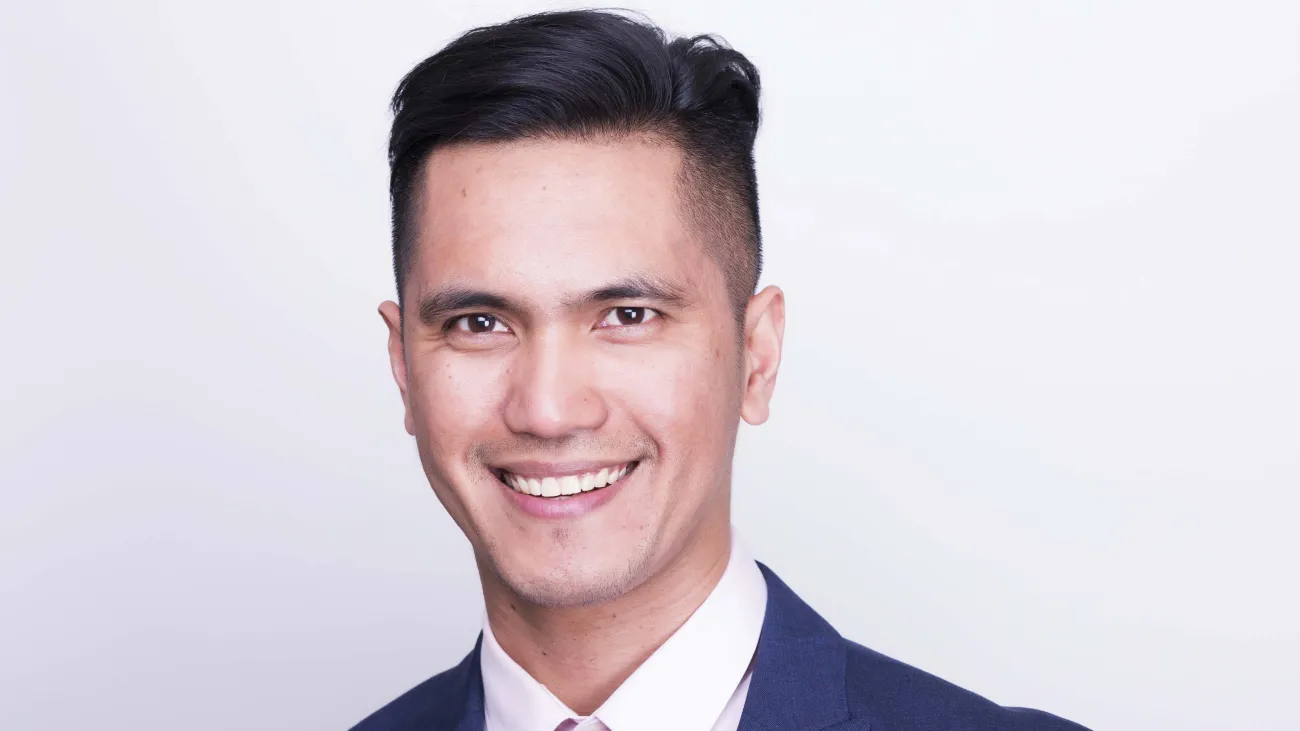
As an immigrant student, I felt very at home at GBP, and a large part of my success in completing the diploma program I owe to the dedication and commitment of the professors who took notice of my skills and potential. My professors showed me unconditional support, mentorship, dedication, and kindness.
Dr. Don Togade
Bachelor's Degree
George BrOWN Your Tomorrow! Join our mailing list for important dates, program updates, future student events, helpful tips and more.
Visit
Our Virtual Tour showcases the following areas:
- Campus Facilities
- Student Services
- Applied Learning Environments
- Labs & Classrooms
Honours Bachelor of Behaviour Analysis
(S302)
Program Details
- Program Code: S302
- Credential: Honours Bachelor's Degree
- Duration: 4 years (8 semesters) + 14-Week Field Experience Term (unpaid)
- Method of Study: Full-time
- Starting Months: September
- Domestic Tuition: $7,427.00 * †
- International Tuition: $22,278.00 ** †
- Fall 2026 Delivery: Co-op; Semester 1, 3, 5: On Campus
- Winter 2027 Delivery: Semester 2, 4, 6, 8: On Campus
Program Availability
| Semester | Domestic | International |
|---|---|---|
| Fall 2026 | Closed | Closed |
| Winter 2027 | Not Available | Not Available |
| Spring 2027 | Not Available | Not Available |
- Work-Integrated Learning:
Seven (7) week unpaid block placement begins in semester 4 and semester 6, and fourteen (14) week unpaid block placement begins in the fall term of student’s final year in the degree.
- PGWP Eligible: Yes
- CIP Code: 42.2814
- Please note that field of study/CIP code is only one component of PGWP eligibility. Please consult the official IRCC PGWP eligibility webpage (opens in a new tab) for the most current and complete information.
Program Description
Leadership Claims
George Brown was the first college in Toronto to offer the Behavioural Science Technology Advanced Diploma and spearheaded the development of the provincial Autism and Behavioural Science programs. This honours degree program is the latest evolution reflecting our leadership in the field.
We have been providing training and education in Applied Behaviour Analysis (ABA) in Toronto for 20 years.
Program Overview
This program is eligible for an entrance scholarship.
The Honours Bachelor of Behaviour Analysis program combines philosophy, methodology and theory with a strong applied learning component to create a comprehensive understanding of behavioural psychology and, more specifically, applied behaviour analysis (ABA).
Full Description
The Honours Bachelor of Behaviour Analysis (S302) four-year degree program takes an in-depth look at applied behaviour analysis (ABA) – a field of study that uses a systematic and analytical approach to modify behaviour in a desirable way.
We have been providing training and education in applied behaviour analysis in Toronto for more than 15 years. Our graduates are leaders in behavioural treatment in fields as varied as forensic mental health, autism spectrum disorder and acquired brain injury.
Applied Behaviour Analysis (ABA) recently became regulated in Ontario under the Psychology and Applied Behaviour Analysis Act, 2021. As such, individuals who wish to practise as Behaviour Analysts must now be licensed by the College of Psychologists and Behaviour Analysts of Ontario (CPBAO). Regulation of the profession helps establish professional standards, protect clients, and promote accountability in practice. To learn more about registration requirements and the path to licensure, visit the College of Psychologists and Behaviour Analysts of Ontario.
ABA is an effective practice that is often used with populations who have:
- autism spectrum disorder (ASD)
- brain injury
- dementia
- developmental disabilities
- addiction
- mental health disorders
What you will be studying:
Applied behaviour analysis (ABA) is a scientific approach to the treatment and understanding of human behaviour. This approach can be applied to the entire range of human behaviour (e.g., thoughts, feelings and actions). Research has shown that an evidence-based approach such as ABA is most effective at decreasing problem behaviour and developing a variety of skills.
Please note: ABA differs from clinical psychology – a treatment approach that relies on talk therapy among other techniques.
The ABA approach involves three main components:
Component 1: A complete behavioural assessment is conducted. A variety of interview and observational techniques are used to gain an understanding of the behaviour to be changed. You will learn how to observe and analyze behaviour in a variety of situations in order to develop an effective treatment strategy.
Component 2: The next step is to use the results of the behavioural assessment to develop an effective plan that will reduce specific problem behaviours and develop or strengthen cognitive and behavioural skills. You will learn a variety of behavioural and cognitive behavioural techniques that can be used to change behaviour.
Component 3: The final phase is an ongoing evaluation of components one and two. You will learn how to measure the effectiveness of their interventions and continue to refine and revise their interventions based on the results of these measures.
Research Component
A foundational aspect of this degree lies in the research component of the program. You will begin preparing for this capstone project in years 1, 2 and 3 through research preparatory courses. The actual research will be conducted during the fall semester of your fourth year. You will receive faculty support throughout the entire process.

Preparing Future Leaders
In addition to preparing you to be a practicing behaviourist, this degree program will help prepare you to become a leader in this emerging field. Not only will you be supported in becoming a client-centred clinician, but you will also have the opportunity to learn the skills to advance behaviour analysis from a system-wide perspective, to support large-scale changes in agencies, organizations and government.
Apply to this intensive program, delivered on-site at George Brown’s state-of-the-art Daphne Cockwell Centre for Health Sciences at Waterfront Campus, if you are data-driven, enjoy analyzing patterns and like to work with challenging behaviours.
The program’s core courses are focused on five areas of learning:
- behavioural science theories, principles and methods
- special populations
- psychology
- research methods/statistics
- ethics, professionalism and leadership
Advanced-Entry Options
If you are a student with a 3.0 GPA or higher, who meets one of the following requirements, you may be eligible to enter a summer (May-August) bridging pathway that leads into the third year (semester 5) of the Honours Bachelors of Behaviour Analysis (S303) degree program.
- any approved Ontario college behavioural science technician diploma program, OR
- George Brown student who has successfully completed two years of the Behavioural Science Technology advanced diploma (C116) program, OR
- George Brown’s Behaviour Science Technician (C146) diploma program graduate
For more details, please contact Program Co-ordinator Don Togade at Don.Togade@georgebrown.ca
External applicants from other institutions will be assessed for advanced standing on a case-by-case basis.
Interested in this program but don't meet the academic requirements?
(A108) is a one-year certificate program that will equip you with the academic requirements you need for this degree-level program.
Visit the A108 program page to learn more about this pathway program.
Your Field Education Options
While classroom theory is the backbone of the Honours Bachelor of Behaviour Analysis program and provides an important foundation, we believe that field placement plays a critical role in your academic journey as it helps to solidify your learning in a real-world environment.
During semesters 4 and 6, you can expect to participate in block field placements. Between semesters 6 and 7 (between years three and four), you will complete one 14-week field experience term (unpaid) during which you will be expected to conduct a research thesis.
Prior to starting the field experience term, a field co-ordinator will help you:
- explore your interests
- prepare for interviews
- facilitate interview meetings by providing feedback
While in your placement setting, you will obtain support from the agency on-site supervisor as well as support from a college faculty field liaison.
Career & Postgraduate Study Opportunities
Educational Pathways
Graduates of this Honours Bachelor of Behaviour Analysis program have gone on to earn a master’s degree at the following institutions in these related areas: applied behaviour analysis, applied disability studies, counselling psychology and social work.
- Brock University – Applied Disability Studies
- Carleton University – Social Work
- Missouri State University – Applied Behavior Analysis
- The Chicago School of Professional Psychology – Applied Behavior Analysis
- University of British Columbia - Special Education
- University of Toronto - M.Ed. Developmental Psychology
- Western University – Applied Behaviour Analysis
- Yorkville University – Master of Arts in Counselling Psychology
Ministry Consent
George Brown Polytechnic has been granted a consent by the Minister of Colleges, Universities, Research Excellence and Security to offer this applied degree for a seven-year term starting December 20, 2023. The college shall ensure that all students admitted to the above-named program during the period of consent will have the opportunity to complete the program within a reasonable time frame.
Alumni Impact
We are immensely proud of the contributions of our alumni in Toronto and around the globe.
From Michelin-starred restaurants to major construction, entertainment, community and financial organizations, our graduates are truly making an impact across a range of industries.
Courses
Semester 1
| Code | Course Name |
|---|---|
| BEHA1001 | Behaviour Theory and Principles I |
| BEHA1002 | Introduction to Psychology |
| BEHA1003 | Communication and Critical Thinking |
| COMM1190 | Critical Thinking to Scholarly Writing |
| LIBL | Lower Liberal Elective |
| LIBL | Lower Liberal Elective |
Semester 2
| Code | Course Name |
|---|---|
| BEHA1101 | Behaviour Theory and Principles II |
| BEHA1102 | Developmental Disabilities in Ontario:Policy and Process |
| BEHA1103 | Developmental Psychology |
| LIBL | Lower Liberal Elective |
| LIBU | Upper Liberal Elective |
Semester 3
| Code | Course Name |
|---|---|
| BEHA2003 | Abnormal Psychology |
| BEHA2005 | Professional Communications |
| BEHA2007 | Aba Assessment: Processes and Procedures |
| BEHA2008 | Introduction to Skill Development |
| BEHA2104 | Research Methods |
Semester 4
| Code | Course Name |
|---|---|
| BEHA2009 | Skill Development: Advanced Applications |
| BEHA2010 | Behaviour Reduction |
| BEHA2105 | Ethics: Moral Philosophy |
| BEHA2109 | Supervision Seminar I |
| BEHA2110 | Block Placement I |
Semester 5
| Code | Course Name |
|---|---|
| BEHA2004 | Statistics |
| BEHA2103 | Behavioural Approaches to Autism, Developmental Disabilities, and Other Behavioural Issues |
| BEHA3001 | Group Behaviour Therapy |
| BEHA3002 | Behavioural Approaches to Acquired Brain Injury and Gerontology |
| BEHA3004 | Psychometrics |
| BEHA3005 | Ethics: Standards of Practice in Aba |
Semester 6
| Code | Course Name |
|---|---|
| BEHA3101 | Clinical Behaviour Analysis |
| BEHA3102 | Mediator Training:Applications to Parents and Staff |
| BEHA3109 | Supervision Seminar II |
| BEHA3110 | Block Placement II |
| BEHA4002 | Behavioural Approaches to Health and Well-Being |
| LIBU | Upper Liberal Elective |
Semester 7
| Code | Course Name |
|---|---|
| BEHA3103 | Behavioural Approaches to Education |
| BEHA4001 | Organizational Behaviour Management |
| BEHA4003 | Service Delivery Systems and Interprofessional Practice |
Co-op Placement
| Code | Course Name |
|---|---|
| BEHA4000 | Work Experience |
Semester 8
| Code | Course Name |
|---|---|
| BEHA4101 | Consolidation of Behavioural Principles and Practice |
| BEHA4102 | Advanced Topics in Behavioural Science |
| BEHA4103 | Leadership in Behaviour Analysis |
| BEHA4104 | Professional Standards and Practices in Dissemination |
| BEHA4105 | Thesis |
| LIBU | Upper Liberal Elective |
Course Outline URL
Program Learning Outcomes
The graduate has reliably demonstrated the ability to:
- Learn about psychological theory, research and practices.
- Design and conduct various assessments across a variety of settings and populations.
- Design and implement research-based programs in applied behaviour analysis and evaluate their effectiveness.
- Practise behavioural consulting skills with different populations.
- Demonstrate appropriate social, professional and clinical skills in the context of an interdisciplinary setting with a variety of clients, their support networks, professionals and the community.
- Maintain a high degree of professionalism and ethical standards.
- Communicate, orally and in written form, results of behavioural assessments and treatment programs.
- Understand, critically evaluate and synthesize issues in society.
Tuition & Fees
Domestic Tuition
$7,427.00 * †
International Tuition
$22,278.00 ** †
Additional Costs
* Amounts listed are the estimated total of tuition, materials, student service and ancillary fees for the first two semesters of programs starting in Fall 2025. Fees are subject to change for programs starting in Fall 2026 and at later dates. This fee does not include books, which are to be purchased by the student separately.
** Amounts listed are the estimated total of tuition, materials, student service and ancillary fees for the first two semesters of programs starting in Fall 2026. Tuition fees are subject to board approval. Material, student service and ancillary fees are estimated based on prior years. All fees are subject to change without notice. This fee does not include books, which are to be purchased by the student separately.
† Tuition fees for this program do NOT include the cost of the Field Experience or Work Term.
International Students
Visit the International Fees and Related Costs page for more information.
Financial Assistance
This program is approved for OSAP funding, provided the applicant meets OSAP eligibility criteria.
Each year we award over $2 million dollars in scholarships, awards and bursaries to first-year students. Check out our financial aid web pages for ways to pay for college and the full list of available scholarships, awards and bursaries.
Admission Requirements
Applicants are selected on the basis of their academic achievement, including the required courses and any other selection criteria outlined below.
- Ontario Secondary School Diploma with six grade 12 University (U) or University/College (M) courses, with a combined average of 65 per cent or higher
- English, grade 12 (U) with a grade of 65 per cent or higher
- grade 11 Math (M or U) or grade 12 Math (U) with a grade of 60 per cent or higher
- Biology, grade 11 (U) or grade 12 (U); OR Chemistry, grade 11 (U) or grade 12 (U); OR Physics, grade 11 (U) or grade 12 (U); OR Environmental Science, grade 11 (M) (SVN3M) with a grade of 60 per cent or higher
or
Mature student status (19 years of age or older and no OSSD)**:
- grade 12 (U) English with a grade of 65 per cent or higher
- grade 11 (U or M) or grade 12 (U) Mathematics with a grade of 60 per cent or higher
- Biology, grade 11 (U) or grade 12 (U); OR Chemistry, grade 11 (U) or grade 12 (U); OR Physics, grade 11 (U) or grade 12 (U); OR Environmental Science, grade 11 (M) (SVN3M) with a grade of 60 per cent or higher
- post-secondary courses in English, Mathematics and Science will be considered (certain courses only)
** There is no mature student testing in the required credits for degree programs. Mature applicants must have the English, Math and Science credits required. Additional information on where and how to upgrade can be found on the English, Math and Science upgrading pages.
Please note that George Brown is committed to ensuring that applicants will succeed in their program of choice, and meeting the minimum requirements does not guarantee admission to the program. Applicants may be required to have grades higher than the minimum requirements stated.
English language proficiency required:
- George Brown Polytechnic ESL Level 9; TOEFL 84 overall and 21 in each skill band (online); IELTS 6.5 overall and 6.0 in each skill band; MELAB 85; CAEL overall 70 (writing 60)
Proficiency in English communications is necessary for success in this program.
Find out more about English proficiency.
Course Exemptions
Some college and university credits may qualify you for exemptions. Please visit the Transfer Guide for more information.
Pursuant to section 4 of the Post-secondary Education Choice and Excellence Act, 2000, George Brown Polytechnic was granted a renewal of consent to offer the Honours Bachelor of Behaviour Analysis Degree for a seven-year period beginning October 5th 2023 and ending in October 2030.
International Students
Visit the International Admissions page for more information regarding country specific admission requirements.
Special Requirements
Clinical Pre-placement Health Form requirements and program policy
- Upon confirmation of acceptance into this program, students must meet and complete all the mandatory Pre-placement requirements for this program. It will take up to eight to 10 weeks to complete.
- Students will need to process and provide proof of their medical records (TDAP shot, MMR, Varicella, Hep B blood test reports/titres and Two-Step TB Skin Test) and proof of clear Vulnerable Sector Check renewed every year. These requirements must be submitted by the program specific deadline to ParaMed Placement Pass website.
- COVID-19 vaccination: Public Health recommends that people working with young children and other vulnerable communities be fully vaccinated against COVID-19. As such, students who are not fully vaccinated against COVID-19 may not be able to complete the required field placement component of their program in the regularly scheduled time frame.
- The health policies and non-academic requirements are designed to protect clients and vulnerable populations whom students will engage in practice. Students who do not comply with the program’s health policy and non-academic requirements, or who do not submit all required documentation by deadlines established by the program will be excluded from the clinical practicum. Exclusion from clinical practicum for any reason may jeopardize students’ academic standing and successful completion of this program.
- All costs, service fees and fines associated with the overall health requirements are the responsibility of the student. To download the mandatory Pre-placement health form and for more details, go to the Clinical Pre-placement website.
Vulnerable Sector Check requirements and program policy (renew every year)
In compliance with the requirements of our placement partners, all students in this program are required to have a Vulnerable Sector Check completed, and this check must be renewed every year before entering into field or clinical placement.
- The Vulnerable Sector Check process typically takes two to three months, but under some circumstances can take four to eight months. This is required to protect the clientele of our placement partner agencies, who are considered “vulnerable persons” under the law.
- Students are responsible for ensuring that the Vulnerable Sector Check covers appropriateness for “individuals being employed and/or volunteering who will be working with vulnerable person(s).”
- Students are required to keep the original copy of their Vulnerable Sector Check.
- Students who are unable to provide a “clear” vulnerable sector check may not be able to start their field or clinical placement and therefore may be unable to complete the program. Students who are not eligible to attend their practice placement due to a “not clear” status will jeopardize their progress in the program.
Failure to meet the requirements for field placement will prevent students from completing the program and/or securing employment. The fees for the vulnerable sector check vary and must be paid by the student. For more information, please visit Clinical Pre-placement website.
How to Apply
Domestic students should apply through Ontario Colleges.
International Students
Visit the How to Apply page for more information on how and when to apply.
International students should apply through the George Brown Polytechnic Online Application System.
Contact Us
School of Behavioural Science
Phone: 416-415-5000, ext. 2310
Email: bst@georgebrown.ca
International Students
Contact one of our international recruitment representatives specializing by country of origin by either booking a virtual meeting or submitting an inquiry. For more information visit the International Contact Us page
Program Description
Leadership Claims
George Brown was the first college in Toronto to offer the Behavioural Science Technology Advanced Diploma and spearheaded the development of the provincial Autism and Behavioural Science programs. This honours degree program is the latest evolution reflecting our leadership in the field.
We have been providing training and education in Applied Behaviour Analysis (ABA) in Toronto for 20 years.
Program Overview
This program is eligible for an entrance scholarship.
The Honours Bachelor of Behaviour Analysis program combines philosophy, methodology and theory with a strong applied learning component to create a comprehensive understanding of behavioural psychology and, more specifically, applied behaviour analysis (ABA).
Full Description
The Honours Bachelor of Behaviour Analysis (S302) four-year degree program takes an in-depth look at applied behaviour analysis (ABA) – a field of study that uses a systematic and analytical approach to modify behaviour in a desirable way.
We have been providing training and education in applied behaviour analysis in Toronto for more than 15 years. Our graduates are leaders in behavioural treatment in fields as varied as forensic mental health, autism spectrum disorder and acquired brain injury.
Applied Behaviour Analysis (ABA) recently became regulated in Ontario under the Psychology and Applied Behaviour Analysis Act, 2021. As such, individuals who wish to practise as Behaviour Analysts must now be licensed by the College of Psychologists and Behaviour Analysts of Ontario (CPBAO). Regulation of the profession helps establish professional standards, protect clients, and promote accountability in practice. To learn more about registration requirements and the path to licensure, visit the College of Psychologists and Behaviour Analysts of Ontario.
ABA is an effective practice that is often used with populations who have:
- autism spectrum disorder (ASD)
- brain injury
- dementia
- developmental disabilities
- addiction
- mental health disorders
What you will be studying:
Applied behaviour analysis (ABA) is a scientific approach to the treatment and understanding of human behaviour. This approach can be applied to the entire range of human behaviour (e.g., thoughts, feelings and actions). Research has shown that an evidence-based approach such as ABA is most effective at decreasing problem behaviour and developing a variety of skills.
Please note: ABA differs from clinical psychology – a treatment approach that relies on talk therapy among other techniques.
The ABA approach involves three main components:
Component 1: A complete behavioural assessment is conducted. A variety of interview and observational techniques are used to gain an understanding of the behaviour to be changed. You will learn how to observe and analyze behaviour in a variety of situations in order to develop an effective treatment strategy.
Component 2: The next step is to use the results of the behavioural assessment to develop an effective plan that will reduce specific problem behaviours and develop or strengthen cognitive and behavioural skills. You will learn a variety of behavioural and cognitive behavioural techniques that can be used to change behaviour.
Component 3: The final phase is an ongoing evaluation of components one and two. You will learn how to measure the effectiveness of their interventions and continue to refine and revise their interventions based on the results of these measures.
Research Component
A foundational aspect of this degree lies in the research component of the program. You will begin preparing for this capstone project in years 1, 2 and 3 through research preparatory courses. The actual research will be conducted during the fall semester of your fourth year. You will receive faculty support throughout the entire process.
Preparing Future Leaders
In addition to preparing you to be a practicing behaviourist, this degree program will help prepare you to become a leader in this emerging field. Not only will you be supported in becoming a client-centred clinician, but you will also have the opportunity to learn the skills to advance behaviour analysis from a system-wide perspective, to support large-scale changes in agencies, organizations and government.
Apply to this intensive program, delivered on-site at George Brown’s state-of-the-art Daphne Cockwell Centre for Health Sciences at Waterfront Campus, if you are data-driven, enjoy analyzing patterns and like to work with challenging behaviours.
The program’s core courses are focused on five areas of learning:
- behavioural science theories, principles and methods
- special populations
- psychology
- research methods/statistics
- ethics, professionalism and leadership
Advanced-Entry Options
If you are a student with a 3.0 GPA or higher, who meets one of the following requirements, you may be eligible to enter a summer (May-August) bridging pathway that leads into the third year (semester 5) of the Honours Bachelors of Behaviour Analysis (S303) degree program.
- any approved Ontario college behavioural science technician diploma program, OR
- George Brown student who has successfully completed two years of the Behavioural Science Technology advanced diploma (C116) program, OR
- George Brown’s Behaviour Science Technician (C146) diploma program graduate
For more details, please contact Program Co-ordinator Don Togade at Don.Togade@georgebrown.ca
External applicants from other institutions will be assessed for advanced standing on a case-by-case basis.
Interested in this program but don't meet the academic requirements?
(A108) is a one-year certificate program that will equip you with the academic requirements you need for this degree-level program.
Visit the A108 program page to learn more about this pathway program.
Your Field Education Options
While classroom theory is the backbone of the Honours Bachelor of Behaviour Analysis program and provides an important foundation, we believe that field placement plays a critical role in your academic journey as it helps to solidify your learning in a real-world environment.
During semesters 4 and 6, you can expect to participate in block field placements. Between semesters 6 and 7 (between years three and four), you will complete one 14-week field experience term (unpaid) during which you will be expected to conduct a research thesis.
Prior to starting the field experience term, a field co-ordinator will help you:
- explore your interests
- prepare for interviews
- facilitate interview meetings by providing feedback
While in your placement setting, you will obtain support from the agency on-site supervisor as well as support from a college faculty field liaison.
Career & Postgraduate Study Opportunities
Educational Pathways
Graduates of this Honours Bachelor of Behaviour Analysis program have gone on to earn a master’s degree at the following institutions in these related areas: applied behaviour analysis, applied disability studies, counselling psychology and social work.
- Brock University – Applied Disability Studies
- Carleton University – Social Work
- Missouri State University – Applied Behavior Analysis
- The Chicago School of Professional Psychology – Applied Behavior Analysis
- University of British Columbia - Special Education
- University of Toronto - M.Ed. Developmental Psychology
- Western University – Applied Behaviour Analysis
- Yorkville University – Master of Arts in Counselling Psychology
Ministry Consent
George Brown Polytechnic has been granted a consent by the Minister of Colleges, Universities, Research Excellence and Security to offer this applied degree for a seven-year term starting December 20, 2023. The college shall ensure that all students admitted to the above-named program during the period of consent will have the opportunity to complete the program within a reasonable time frame.
Courses
Semester 1
| Code | Course Name |
|---|---|
| BEHA1001 | Behaviour Theory and Principles I |
| BEHA1002 | Introduction to Psychology |
| BEHA1003 | Communication and Critical Thinking |
| COMM1190 | Critical Thinking to Scholarly Writing |
| LIBL | Lower Liberal Elective |
| LIBL | Lower Liberal Elective |
Semester 2
| Code | Course Name |
|---|---|
| BEHA1101 | Behaviour Theory and Principles II |
| BEHA1102 | Developmental Disabilities in Ontario:Policy and Process |
| BEHA1103 | Developmental Psychology |
| LIBL | Lower Liberal Elective |
| LIBU | Upper Liberal Elective |
Semester 3
| Code | Course Name |
|---|---|
| BEHA2003 | Abnormal Psychology |
| BEHA2005 | Professional Communications |
| BEHA2007 | Aba Assessment: Processes and Procedures |
| BEHA2008 | Introduction to Skill Development |
| BEHA2104 | Research Methods |
Semester 4
| Code | Course Name |
|---|---|
| BEHA2009 | Skill Development: Advanced Applications |
| BEHA2010 | Behaviour Reduction |
| BEHA2105 | Ethics: Moral Philosophy |
| BEHA2109 | Supervision Seminar I |
| BEHA2110 | Block Placement I |
Semester 5
| Code | Course Name |
|---|---|
| BEHA2004 | Statistics |
| BEHA2103 | Behavioural Approaches to Autism, Developmental Disabilities, and Other Behavioural Issues |
| BEHA3001 | Group Behaviour Therapy |
| BEHA3002 | Behavioural Approaches to Acquired Brain Injury and Gerontology |
| BEHA3004 | Psychometrics |
| BEHA3005 | Ethics: Standards of Practice in Aba |
Semester 6
| Code | Course Name |
|---|---|
| BEHA3101 | Clinical Behaviour Analysis |
| BEHA3102 | Mediator Training:Applications to Parents and Staff |
| BEHA3109 | Supervision Seminar II |
| BEHA3110 | Block Placement II |
| BEHA4002 | Behavioural Approaches to Health and Well-Being |
| LIBU | Upper Liberal Elective |
Semester 7
| Code | Course Name |
|---|---|
| BEHA3103 | Behavioural Approaches to Education |
| BEHA4001 | Organizational Behaviour Management |
| BEHA4003 | Service Delivery Systems and Interprofessional Practice |
Co-op Placement
| Code | Course Name |
|---|---|
| BEHA4000 | Work Experience |
Semester 8
| Code | Course Name |
|---|---|
| BEHA4101 | Consolidation of Behavioural Principles and Practice |
| BEHA4102 | Advanced Topics in Behavioural Science |
| BEHA4103 | Leadership in Behaviour Analysis |
| BEHA4104 | Professional Standards and Practices in Dissemination |
| BEHA4105 | Thesis |
| LIBU | Upper Liberal Elective |
Course Outline URL
Tuition & Fees
Domestic Tuition
$7,427.00 * †
International Tuition
$22,278.00 ** †
Additional Costs
* Amounts listed are the estimated total of tuition, materials, student service and ancillary fees for the first two semesters of programs starting in Fall 2025. Fees are subject to change for programs starting in Fall 2026 and at later dates. This fee does not include books, which are to be purchased by the student separately.
** Amounts listed are the estimated total of tuition, materials, student service and ancillary fees for the first two semesters of programs starting in Fall 2026. Tuition fees are subject to board approval. Material, student service and ancillary fees are estimated based on prior years. All fees are subject to change without notice. This fee does not include books, which are to be purchased by the student separately.
† Tuition fees for this program do NOT include the cost of the Field Experience or Work Term.
International Students
Visit the International Fees and Related Costs page for more information.
Financial Assistance
This program is approved for OSAP funding, provided the applicant meets OSAP eligibility criteria.
Each year we award over $2 million dollars in scholarships, awards and bursaries to first-year students. Check out our financial aid web pages for ways to pay for college and the full list of available scholarships, awards and bursaries.
Admission Requirements
Applicants are selected on the basis of their academic achievement, including the required courses and any other selection criteria outlined below.
- Ontario Secondary School Diploma with six grade 12 University (U) or University/College (M) courses, with a combined average of 65 per cent or higher
- English, grade 12 (U) with a grade of 65 per cent or higher
- grade 11 Math (M or U) or grade 12 Math (U) with a grade of 60 per cent or higher
- Biology, grade 11 (U) or grade 12 (U); OR Chemistry, grade 11 (U) or grade 12 (U); OR Physics, grade 11 (U) or grade 12 (U); OR Environmental Science, grade 11 (M) (SVN3M) with a grade of 60 per cent or higher
or
Mature student status (19 years of age or older and no OSSD)**:
- grade 12 (U) English with a grade of 65 per cent or higher
- grade 11 (U or M) or grade 12 (U) Mathematics with a grade of 60 per cent or higher
- Biology, grade 11 (U) or grade 12 (U); OR Chemistry, grade 11 (U) or grade 12 (U); OR Physics, grade 11 (U) or grade 12 (U); OR Environmental Science, grade 11 (M) (SVN3M) with a grade of 60 per cent or higher
- post-secondary courses in English, Mathematics and Science will be considered (certain courses only)
** There is no mature student testing in the required credits for degree programs. Mature applicants must have the English, Math and Science credits required. Additional information on where and how to upgrade can be found on the English, Math and Science upgrading pages.
Please note that George Brown is committed to ensuring that applicants will succeed in their program of choice, and meeting the minimum requirements does not guarantee admission to the program. Applicants may be required to have grades higher than the minimum requirements stated.
English language proficiency required:
- George Brown Polytechnic ESL Level 9; TOEFL 84 overall and 21 in each skill band (online); IELTS 6.5 overall and 6.0 in each skill band; MELAB 85; CAEL overall 70 (writing 60)
Proficiency in English communications is necessary for success in this program.
Find out more about English proficiency.
Course Exemptions
Some college and university credits may qualify you for exemptions. Please visit the Transfer Guide for more information.
Pursuant to section 4 of the Post-secondary Education Choice and Excellence Act, 2000, George Brown Polytechnic was granted a renewal of consent to offer the Honours Bachelor of Behaviour Analysis Degree for a seven-year period beginning October 5th 2023 and ending in October 2030.
International Students
Visit the International Admissions page for more information regarding country specific admission requirements.
Special Requirements
Clinical Pre-placement Health Form requirements and program policy
- Upon confirmation of acceptance into this program, students must meet and complete all the mandatory Pre-placement requirements for this program. It will take up to eight to 10 weeks to complete.
- Students will need to process and provide proof of their medical records (TDAP shot, MMR, Varicella, Hep B blood test reports/titres and Two-Step TB Skin Test) and proof of clear Vulnerable Sector Check renewed every year. These requirements must be submitted by the program specific deadline to ParaMed Placement Pass website.
- COVID-19 vaccination: Public Health recommends that people working with young children and other vulnerable communities be fully vaccinated against COVID-19. As such, students who are not fully vaccinated against COVID-19 may not be able to complete the required field placement component of their program in the regularly scheduled time frame.
- The health policies and non-academic requirements are designed to protect clients and vulnerable populations whom students will engage in practice. Students who do not comply with the program’s health policy and non-academic requirements, or who do not submit all required documentation by deadlines established by the program will be excluded from the clinical practicum. Exclusion from clinical practicum for any reason may jeopardize students’ academic standing and successful completion of this program.
- All costs, service fees and fines associated with the overall health requirements are the responsibility of the student. To download the mandatory Pre-placement health form and for more details, go to the Clinical Pre-placement website.
Vulnerable Sector Check requirements and program policy (renew every year)
In compliance with the requirements of our placement partners, all students in this program are required to have a Vulnerable Sector Check completed, and this check must be renewed every year before entering into field or clinical placement.
- The Vulnerable Sector Check process typically takes two to three months, but under some circumstances can take four to eight months. This is required to protect the clientele of our placement partner agencies, who are considered “vulnerable persons” under the law.
- Students are responsible for ensuring that the Vulnerable Sector Check covers appropriateness for “individuals being employed and/or volunteering who will be working with vulnerable person(s).”
- Students are required to keep the original copy of their Vulnerable Sector Check.
- Students who are unable to provide a “clear” vulnerable sector check may not be able to start their field or clinical placement and therefore may be unable to complete the program. Students who are not eligible to attend their practice placement due to a “not clear” status will jeopardize their progress in the program.
Failure to meet the requirements for field placement will prevent students from completing the program and/or securing employment. The fees for the vulnerable sector check vary and must be paid by the student. For more information, please visit Clinical Pre-placement website.
How to Apply
Domestic students should apply through Ontario Colleges.
International Students
Visit the How to Apply page for more information on how and when to apply.
International students should apply through the George Brown Polytechnic Online Application System.
Program Learning Outcomes
The graduate has reliably demonstrated the ability to:
- Learn about psychological theory, research and practices.
- Design and conduct various assessments across a variety of settings and populations.
- Design and implement research-based programs in applied behaviour analysis and evaluate their effectiveness.
- Practise behavioural consulting skills with different populations.
- Demonstrate appropriate social, professional and clinical skills in the context of an interdisciplinary setting with a variety of clients, their support networks, professionals and the community.
- Maintain a high degree of professionalism and ethical standards.
- Communicate, orally and in written form, results of behavioural assessments and treatment programs.
- Understand, critically evaluate and synthesize issues in society.
Contact Us
School of Behavioural Science
Phone: 416-415-5000, ext. 2310
Email: bst@georgebrown.ca
International Students
Contact one of our international recruitment representatives specializing by country of origin by either booking a virtual meeting or submitting an inquiry. For more information visit the International Contact Us page
Visit Waterfront Campus
Book campus tour As an immigrant student, I felt very at home at GBP, and a large part of my success in completing the diploma program I owe to the dedication and commitment of the professors who took notice of my skills and potential. My professors showed me unconditional support, mentorship, dedication, and kindness.
Dr. Don Togade
Bachelor's Degree
George BrOWN Your Tomorrow! Join our mailing list for important dates, program updates, future student events, helpful tips and more.
Visit
Our Virtual Tour showcases the following areas:
- Campus Facilities
- Student Services
- Applied Learning Environments
- Labs & Classrooms